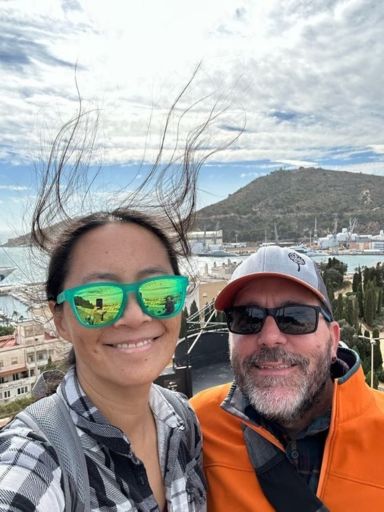
Dog and Dragon have done some fabulous tours of the Mediterranean living and working aboard cruise ships. There are so many incredible locations to experience in so many different countries. Choosing the right cruise with the best ports and cities can be a little overwhelming, especially if you’ve never been in this part of the world. Given our experiences, here are Dog and Dragon’s Best Cruise Ports in the Mediterranean.
The Mediterranean is home to so many countries, cultures, languages, and peoples. The scenery is mind-blowingly beautiful. The weather is perfect nearly all of the time. Even in questionable weather situations it is typically still lovely. The ancient and medieval sites are awe inspiring and sometimes jaw dropping. Seemingly everywhere you go in this part of the world there is interesting history to learn more about or rediscover.
No matter where your passions lie, the Mediterranean has so much to offer. Maybe you are a foodie who wants to taste all the flavors or Spain, France, Italy, and Greece. Perhaps you are a history buff and want to visit every Venetian fortress, Roman ruin, and Greek archaeological site you can. Or maybe you just love lounging on a fabulous beach during the day and relaxing with a local cocktail on a bustling patio in the evening. Cruising the Mediterranean allows for all those passions and many more.
This list targets some of the smaller destinations that many people will know little about. Don’t get us wrong, we love visiting the most obvious destinations in the Med: Athens, Rome, Barcelona, Venice, Santorini, and Mykonos to name a few. This post aims to give you a glimpse at some alternative ports of call you may see on your itinerary.
Valletta, Malta
Don’t let the tiny footprint fool you — Valletta packs more UNESCO-listed baroque architecture per square meter than almost anywhere in Europe, so give yourself at least a full day to wander the honey-limestone streets and step inside the jaw-dropping St. John’s Co-Cathedral. Climb to the Upper Barrakka Gardens at sunset for one of the great harbor views in the Mediterranean, time it just right to watch the canons fire as a ship leaves port, then head to the Galea’s Kitchen where you can try one of our favorite local cocktails, the Bajtra Spritz.
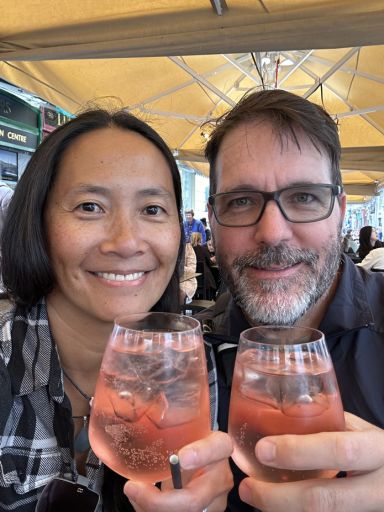
Corfu, Greece
The island’s Venetian-ruled past gives Corfu Town an elegance you won’t find elsewhere in Greece — the Liston arcade, the two Venetian fortresses bookending the old town, and the pastel-shuttered alleyways all feel more like a film set than a real place. Stunningly beautiful beaches, amazing scenery, and history abound. After walking the streets of Corfu you can relax with a refreshingly delicious Corfiot Spritz made with a local kumquat liqueur.
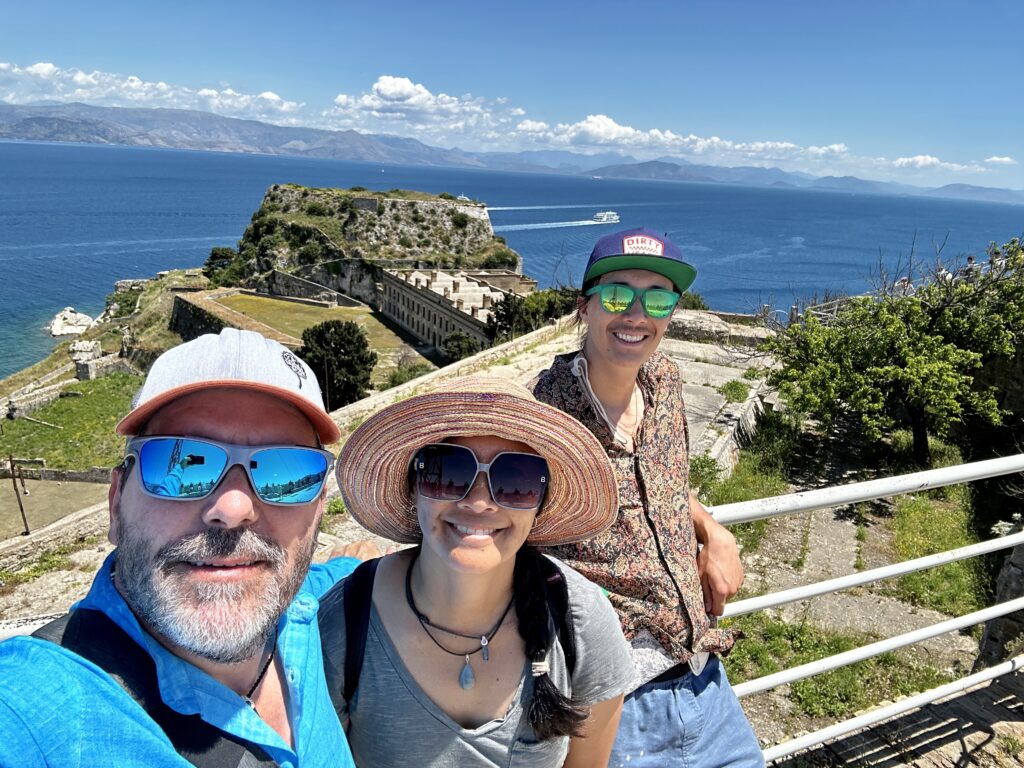
Trieste, Italy
Trieste is the Mediterranean’s great melancholic masterpiece — an Austro-Hungarian port city perched on the edge of Italy that shaped the works of authors James Joyce, Rilke, and Svevo, and still carries that literary mood through its grand coffee houses and wind-swept seafront piazzas. Sit over a capo in b at Caffè San Marco, stroll among the ancient ruins of Tergeste founded in the first century BC like the Arco di Riccardo and the Teatro Romano, and make the short drive out to Castello di Miramare, the heartbreaking clifftop palace of Archduke Maximilian, for context on why this city feels like it belongs to a vanished empire. Trieste is truly one of our favorite ports along the Adriatic Sea.
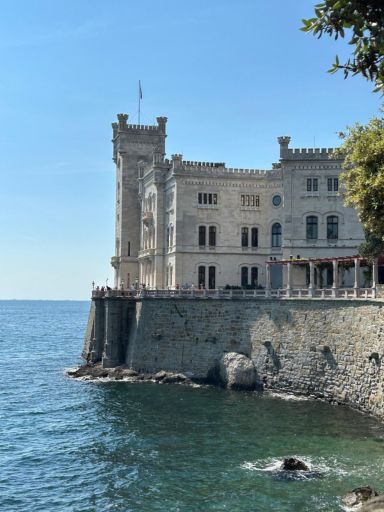
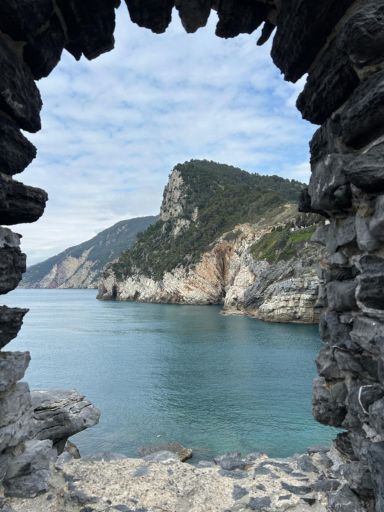
Porto Venere, Italy
This slender, pastel-towered village clinging to the rocky tip of the Ligurian coast is the quiet counterpart to the more famous Cinque Terre nearby — share the same dramatic scenery and Ligurian seafood, but with far fewer selfie sticks. Walk up to the striped Church of San Pietro perched right on the headland, take the short boat across to the island of Palmaria, stop to visit Mother Nature on the way up to Doria Castle, and eat as much trofie al pesto as you can manage. We recommend the friendliness, food, and wine at Osteria da Cesare for lunch.
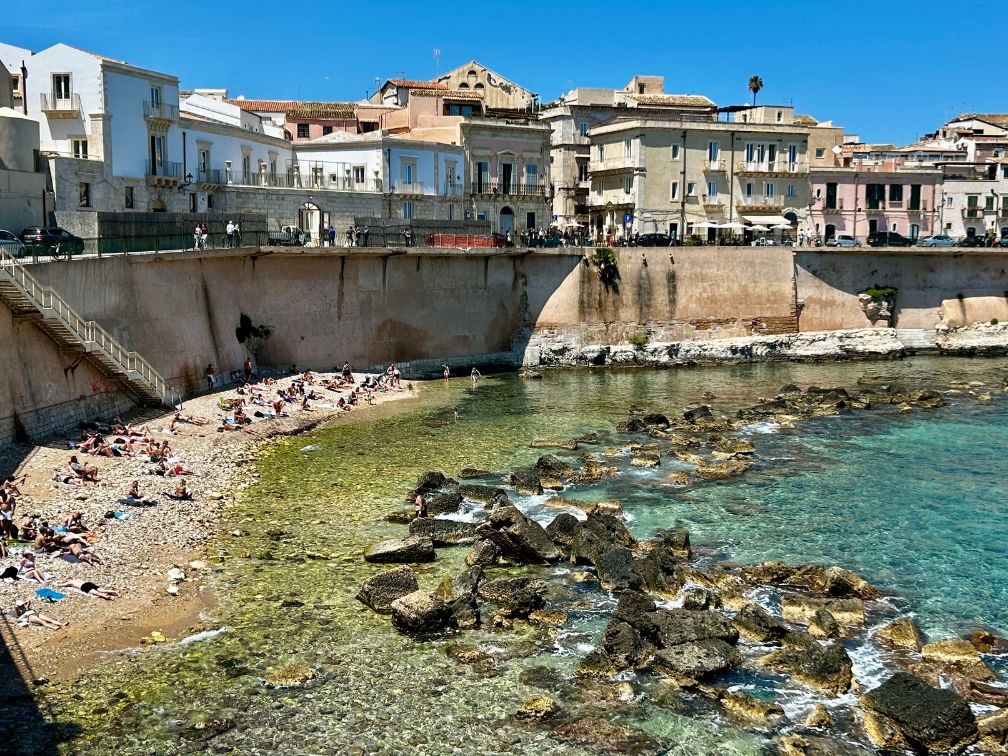
Syracuse, Sicily
Syracuse wears its extraordinary history lightly — the Greek Theatre carved into the hillside above Neapolis is still used for live performances each summer, and the archaeological park is arguably the finest in the western Mediterranean. Cross the bridge to Ortigia island for the old city proper: the Duomo, built literally around the columns of an ancient Greek temple, is one of the most astonishing churches in Italy, and the baroque piazzas, fish market, and seafront restaurants will keep you happily anchored there well into the evening. Feeling adventurous? Enjoy an amazing bike ride along the Rossana Mallorca cycle path.
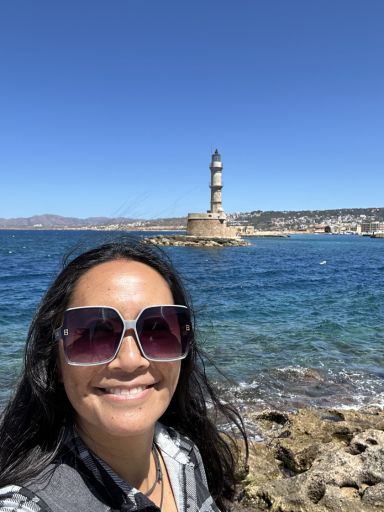
Chania, Crete
Chania’s old Venetian harbor — with its curved lighthouse, arched covered market, and minarets left by the Ottomans — is genuinely one of the loveliest waterfronts in the whole Mediterranean. Enjoy the flavors of Greece at one of the many outdoor cafes like we did at the shady patio at Krio Vrisali. Wander the old city among the many remnants of various cultures from throughout the ages. Not far outside of town you can visit the Ancient Olive Tree of Vouves, one of the oldest olive trees in the world estimated to be between 2000-4000 years old. Among the many wonders of Crete you will also find the famed Minoan Palace of Knossos built as early as 1900 BC and home of the legendary minotaur.
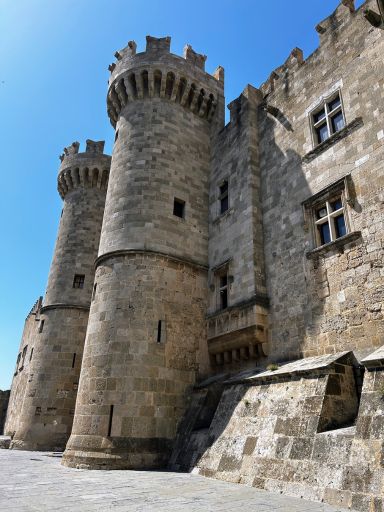
Rhodes, Greece
The medieval walled city of Rhodes is the largest inhabited medieval town in Europe and easily one of our favorite cruise ports in the Mediterranean. Arriving through the Gate of St. Paul into those cobbled streets lined with crusader-era stone buildings delivers genuine time-travel thrills. Grab an affordable, robust gyro at Pita Nikos before wandering the delightful city streets within the walls. Follow this link to read more about our first trip to Rhodes, including strolling up the Street of the Knights to the Palace of the Grand Master. If you have time, escape the capital for Lindos — a whitewashed village tumbling down a cliff to an ancient acropolis above a perfect horseshoe bay — which is, on its best days, exactly what people dream of when they dream of Greece.
Ajaccio, Corsica
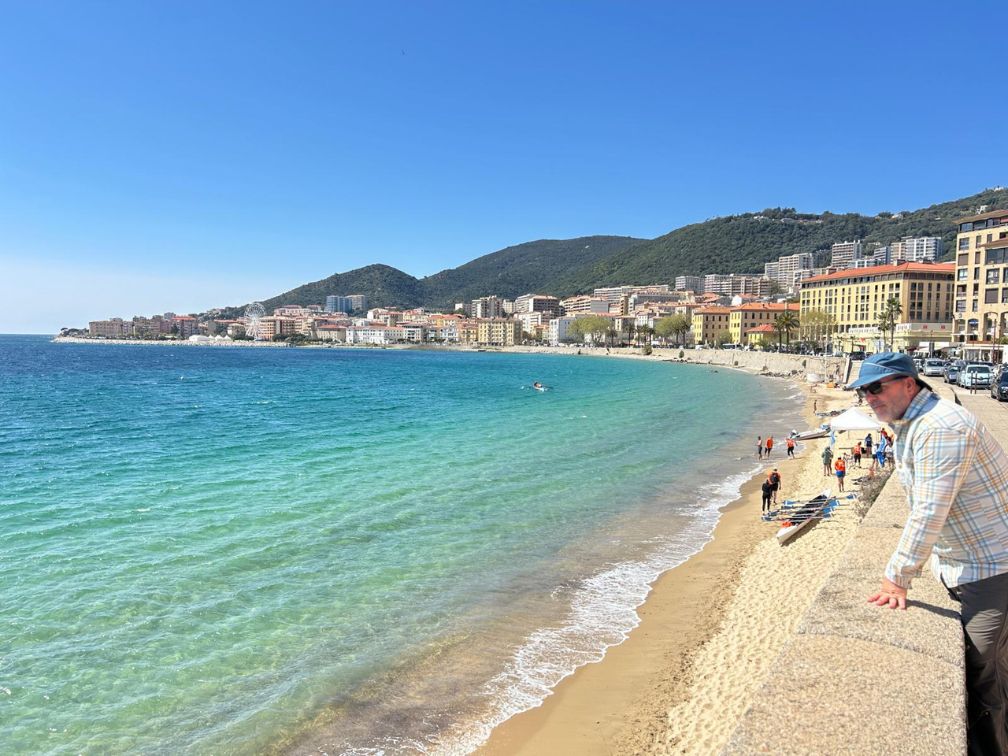
Birthplace of Napoleon and capital of an island that feels like France filtered through an Italian sensibility, Ajaccio rewards those who look beyond the expected Napoleonic pilgrimage — the Fesch Palace houses one of the finest collections of Italian old masters outside of Italy itself, assembled by the emperor’s art-obsessed uncle. Use the city as your gateway into Corsica where you’ll find white sand beaches leading to turquois waters, scrub brush covered mountains, chestnut forests, and the stunning beauty of the Prunelli Gorges; all of which reveal why Corsicans call their island the Island of Beauty with complete sincerity.
Alicante, Spain
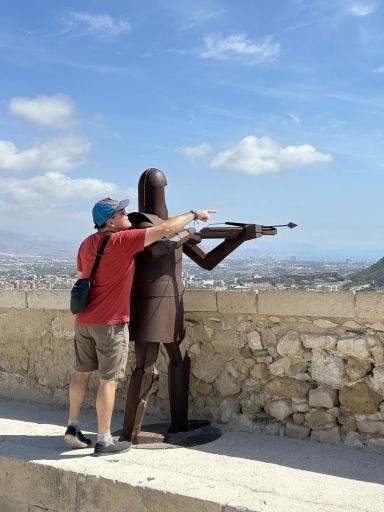
Oh Alicante. It calls back to my memory from thousands of miles away, wishing I were back there again. The castle of Santa Bárbara rising sheer from the rock directly behind the beach is one of the great urban silhouettes of the Spanish coast, easily reached by a lift cut through the cliff, and worth at least an hour at the top for the panorama over the city. You can even do a wine and tapas tour as part of your castle visit! Down below, the Explanada de España promenade and the Santa Cruz barrio of narrow painted streets are worth a slow afternoon, and the city’s rambunctious food market, the Mercado Central, is a superb introduction to the rice and seafood culture that makes this stretch of the Costa Blanca culinarily underrated. Don’t forget to wash it all down with our go-to Spanish beverage, the tinto de verano.
Cartagena, Spain
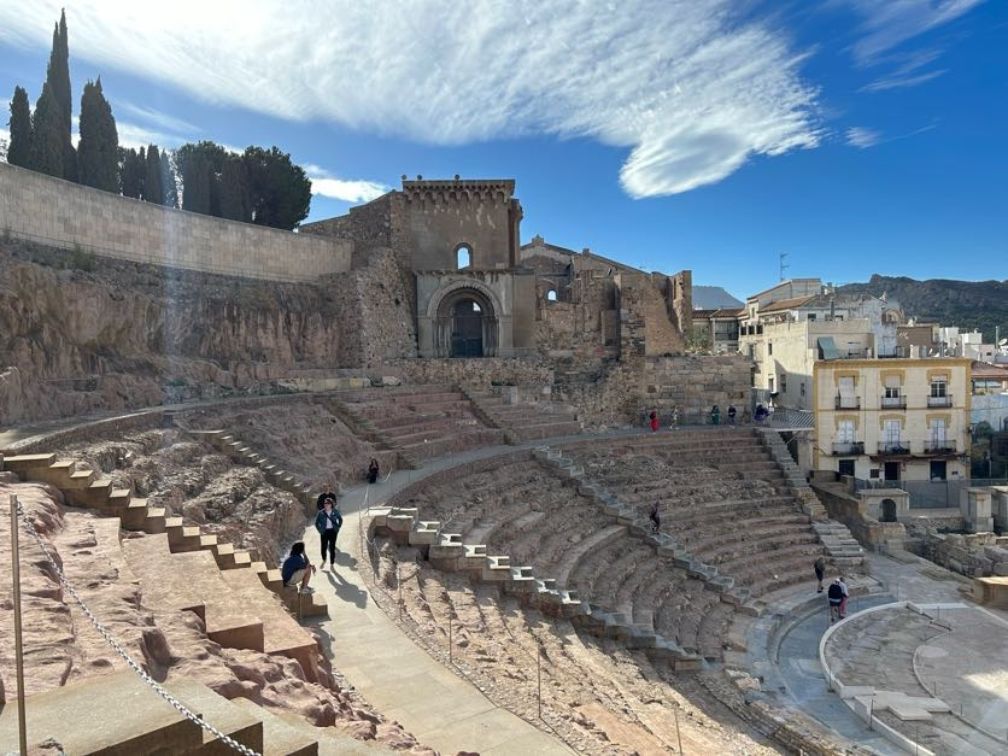
Cartagena is one of the most historically layered cities on the entire Iberian coast — Carthaginians, Romans, Moors, and the Spanish Navy have each left their mark, and the ancient Roman ampitheater discovered beneath the city center in 1988 is now beautifully excavated and displayed in a museum that you enter by walking through the original stage. Stop in to Ramon Garcia Davo for an amazing on the go breakfast while exploring everything Cartagena has to offer. The city has a pleasingly unpolished, working-port energy that distinguishes it sharply from the more manicured Costa Blanca resorts nearby, and the tapas bars around Plaza del Ayuntamiento draw a genuinely local crowd who treat the city’s remarkable heritage as perfectly ordinary background to their evening drink. Read more about our cruise visits to Cartagena in 2023 and 2024.
Argostoli, Kefalonia
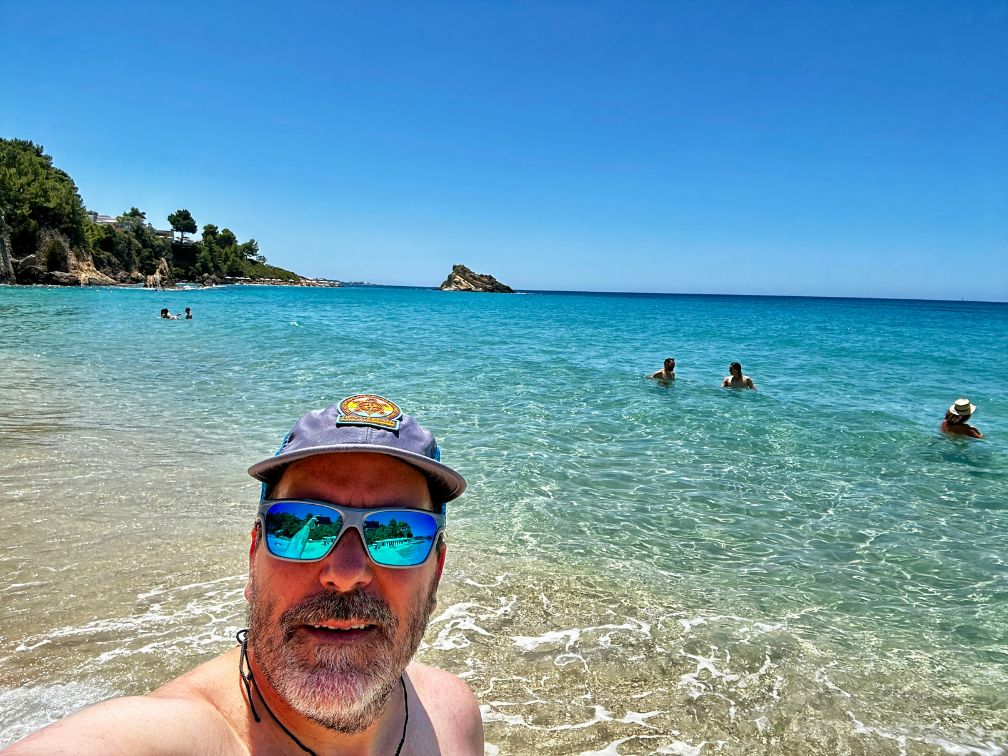
Argostoli itself is a working, unpretentious Ionian capital rebuilt after the devastating 1953 earthquake, and its waterfront and central market are genuine local life rather than tourist performance — the Corgialenios History and Folklore Museum offers a moving account of what was lost. Cutting the bay in two is the longest stone bridge crossing the sea, De Bosset Bridge, a pedestrian bridge originally built in 1813 stretching 689.9 meters. Argostoli provides access to the rest of Kefalonia: the mesmerizing blue-ceilinged Melissani Cave lake, the vertiginous cliffs above Myrtos Beach, and the mountain village of Assos with its perfectly scaled Venetian castle overlooking the turquoise inlet. The beaches in Kefalonia seem to be somewhat unknown and shockingly underrated. Dog enjoyed a day of cycling around the peninsula before cooling off at the stunning Platis Gialos Beach.
Palma, Mallorca
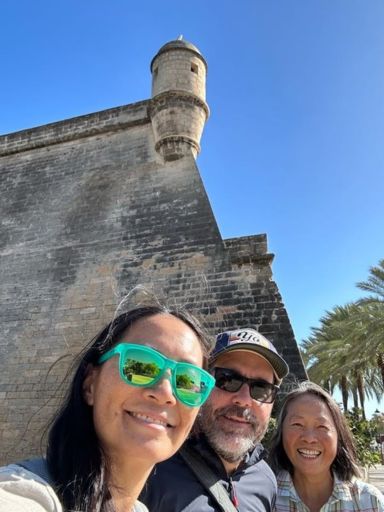
Palma earns its place as one of the finest small capital cities in the Mediterranean — the jaw dropping cathedral La Seu rising from the waterfront is almost absurdly grand for an island town, and the old Arab Quarter behind it conceals a maze of converted palaces, courtyard restaurants, and independent boutiques that reward exploration. Palma is full of a seemingly endless supply of historical wonders everywhere you look. Rent a bicycle and ride out along the sea wall at dusk, eat at any of the excellent modern Mallorcan restaurants in the Santa Catalina neighborhood, and enjoy a leisurely hike up from the port to stroll the park around Castell de Bellver. We’ve been told on our next visit to make time for at least one drive into the Tramuntana mountains, which are as dramatic as the Amalfi coast and far less crowded.
Mahon, Menorca
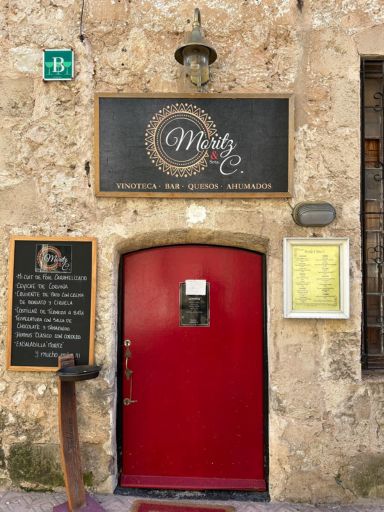
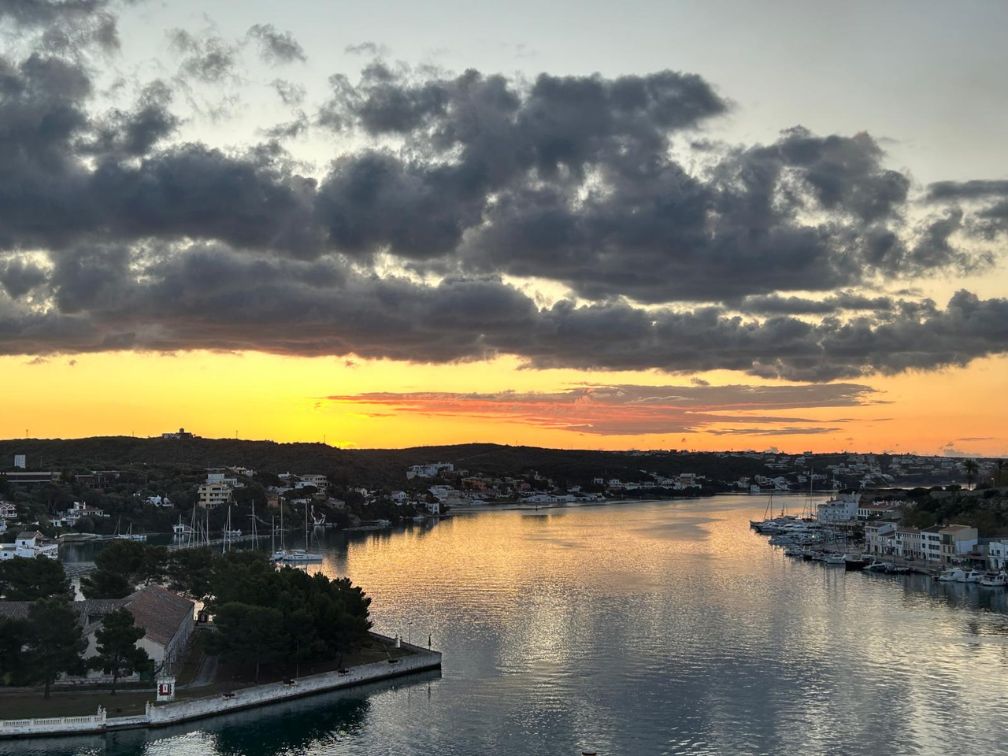
Mahón sits at the head of one of the longest and most spectacular natural harbors in the Mediterranean, and sailing into the port is one of the most epic port entries we’ve enjoyed due to its scale, beauty, and the mix of Georgian architecture — a British colonial legacy — tucked alongside the Spanish baroque. Additionally, Mahon is home to one of our all time favorite restaurants, Moritz & Srta C, where we enjoyed one of the best meals we’ve ever had in the entire Mediterranean. Be sure to make a reservation as it fills up quickly. Menorca is said to be the least spoiled of the Balearics. From the ancient Talayotic stone monuments scattered across the interior, to the hidden north coast beaches near Cala Pregonda, it offers a completely different and far quieter Mediterranean than the other Balearic islands.
Zadar, Croatia
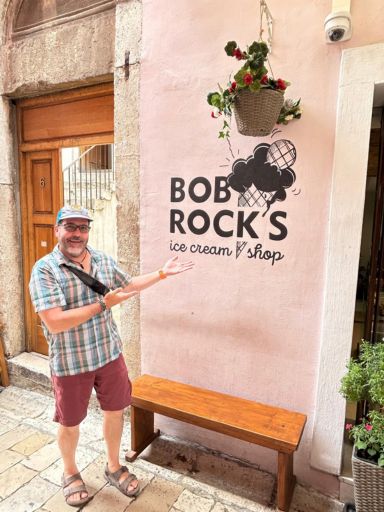
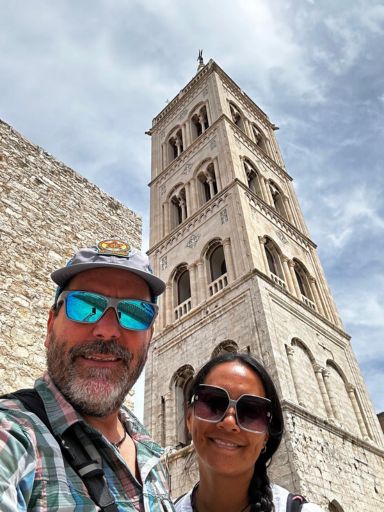
Zadar gets overlooked in favor of Dubrovnik and Split, which is precisely what makes it one of the most rewarding stops on the Dalmatian coast — the old peninsula city has Roman forum ruins sitting casually beside a Romanesque cathedral, a Venetian citadel, and two of the most inventive public installations in the Adriatic in the Sea Organ and the Sun Salutation, which together turn the waterfront at sunset into something that feels less like tourism and more like collective joy. Dog insisted we make a pitstop at Bob Rock’s Ice Cream Shop which turned out to be a good decision. Alfred Hitchcock famously declared the Zadar sunset the most beautiful in the world, and while that claim has been repeated to the point of cliché, standing on the Riva promenade in the late afternoon light bouncing off the limestone and the sea, it is genuinely difficult to argue with him. Check out Deja Brew Pub for a tasty beer whatever your style is to cap off your explorations of this delightful town.
Alanya, Turkey
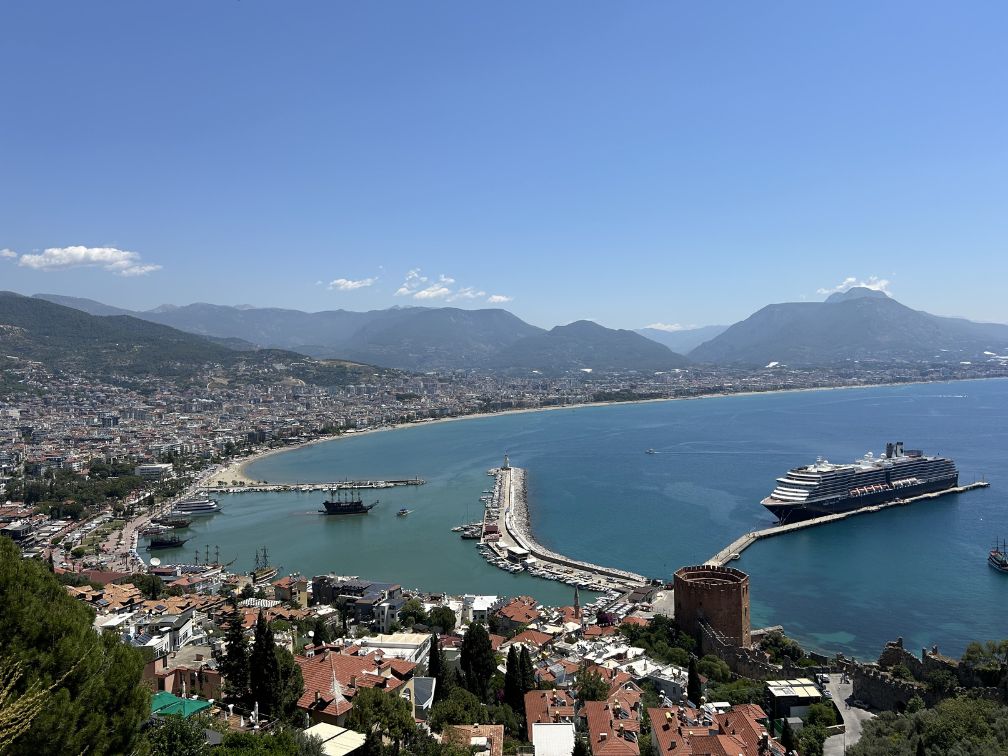
Alanya’s great red-rock promontory jutting into the turquoise Mediterranean, crowned by a Seljuk citadel and ringed by walls that tumble all the way down to the sea, is one of the most dramatic silhouettes on the Turkish coast — climb up through the old town inside the walls as we did on our visit and you’ll pass beehive-domed Ottoman cisterns and Byzantine churches slowly being reclaimed by fig trees. Beyond the citadel, seek out the Red Tower down by the harbor and the extraordinary Damlataş Cave, and time your visit for shoulder season in May or October when the beaches are warm, the crowds are manageable, and the light on that red cliff at golden hour is genuinely extraordinary. We enjoyed the most personable, family service and delicious Turkish lunch at Ravza Restaurant.
Monemvasia, Greece
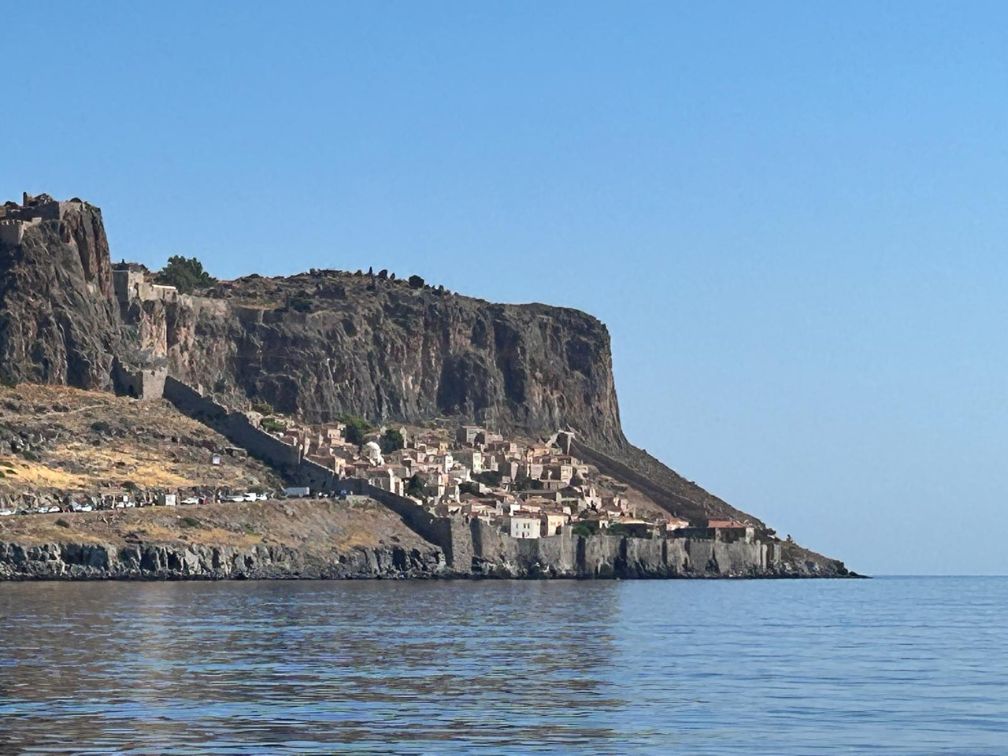
Monemvasia is one of the great secrets of the Greek mainland — a Byzantine and Venetian fortified town built entirely onto a vast sea rock connected to the Peloponnese shore by a single causeway, completely invisible until you walk through the tunnel entrance in the cliff and the medieval town opens up before you. There are no cars inside the walls, the population is tiny, accommodation is mostly in converted Byzantine stone houses, and the ruined upper town above — reached by a steep path past the Hagia Sofia perched at the cliff edge — gives you a view across the southern Aegean that feels like the end of the known world in the very best sense. At this time, Dragon has been to Monemvasia multiple times, while Dog is still longing for his opportunity.
So Many Ports To Discover
Over the course of cruising our way through many Mediterranean adventures we have been fortunate to have visited a plethora of incredible ports. There are quite literally too many to list here. Listing these 16 ports seems at the same time to be too few and too many. We wanted to share some of our favorites with you to give you a glimpse of the many amazing locations we’ve been lucky to visit and you may not have heard of or considered visiting before. We also wanted to share a bit of some of our experiences in those locations. You can find more of our various cruise adventures in the blog.
One final note. While Dragon seems immune to seasickness, Dog struggles with the motion of the ship, particularly while working on his laptop. If seasickness is an issue for you, Dog swears by these nausea relief sea-bands which he wears 100% of the time throughout his voyages. We hope this post helps you plan and enjoy your own epic adventures in the Mediterranean. Cheers!